

On the latest episode of The Public Pulse, 88.7 The Pulse General Manager Michael Mallace sat down with Christian Price, the Economic Growth Officer for the City of Maricopa.
Price, who has lived in Maricopa for 23 years and served as the city’s mayor for 11 years, shared an inside look at how a quiet farming community of 1,200 people has transformed into a booming metropolis of nearly 90,000 residents.

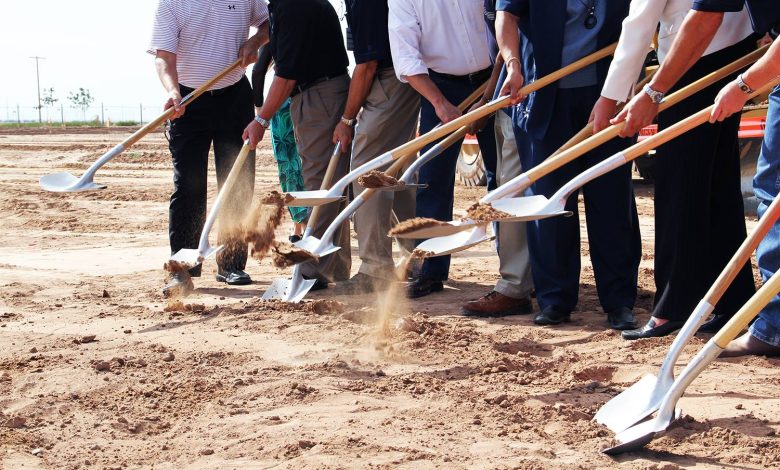
From Farmland to a Fast-Growing City
When Price first bought a home in Maricopa in early 2004, the city had only recently incorporated. At the time, the area was mostly farmland with a small population of roughly 25,000 to 30,000 people.
Today, that number is rapidly approaching 90,000. Projections show Maricopa will easily surpass 100,000 residents within the next three years.
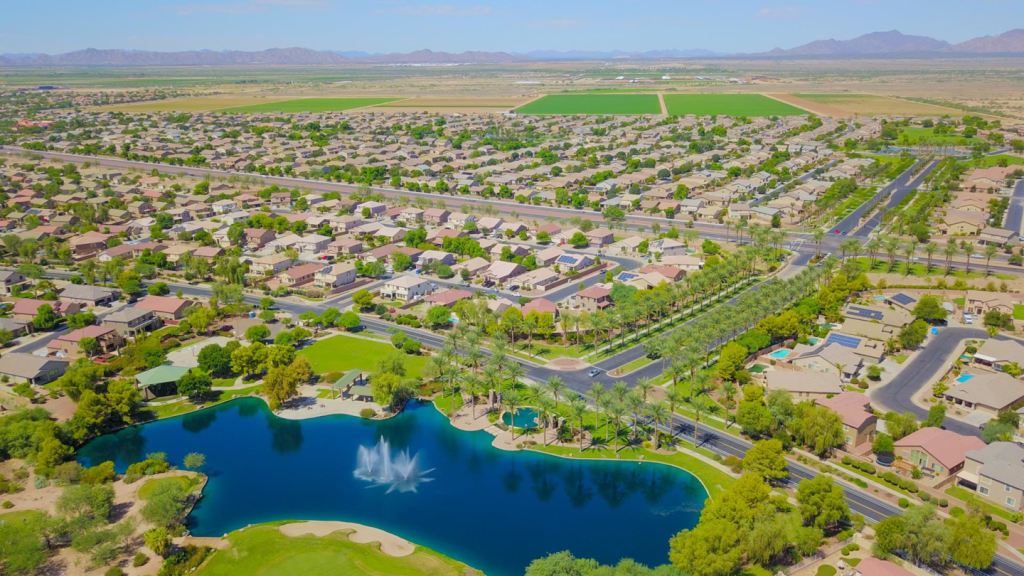
“We are growing at about 6.5% to 7% each and every year,” Price explained. He noted that the city currently occupies 43 square miles of incorporated land but has a total planned growth area of 235 square miles. At full build-out, Maricopa could eventually home between 750,000 and 1 million residents.
Building a Modern City from Scratch
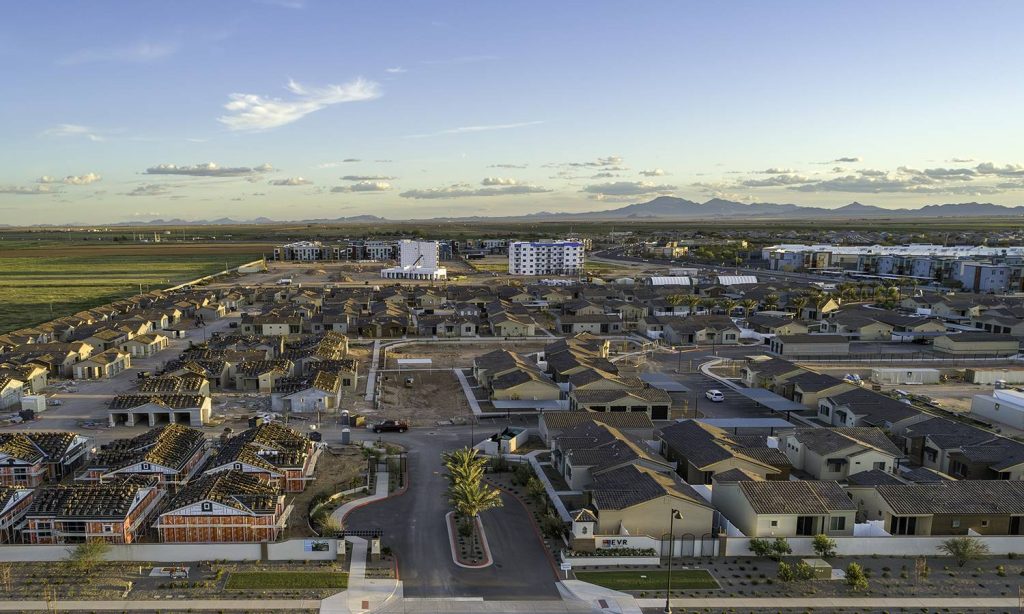
Price described the unique thrill and challenge of building a modern city from the ground up. Because Maricopa is so young, city planners have the rare advantage of studying the mistakes and successes of older municipalities and applying modern philosophies to their own infrastructure.
However, rapid growth requires balancing public services, such as roads, police, and fire departments, with private development. Price broke down how this balance works:
- Retail Follows Roofs: Retailers and grocers rely on formulaic population density and disposable income before deciding to open new locations.
- The Gift Clause and Incentives: Unlike other states, Arizona’s constitution features a “Gift Clause,” meaning the city cannot simply give tax breaks to select businesses. Instead, Maricopa incentivizes development through public infrastructure improvements, such as paving roads or installing curb and gutter systems, that provide a clear return on investment for taxpayers.
High-Tech and the Semiconductor Supply Chain
While Maricopa deeply values its agricultural roots, the city is actively working with landowners who want to transition their properties into industrial and high-tech spaces.
Rather than competing directly with major neighboring hubs, Maricopa is focusing heavily on attracting the vast supply chain that supports the semiconductor industry. This is driven by massive Arizona investments like TSMC and Intel. Price noted that Maricopa is prime real estate for advanced manufacturing, engineering, and the specialized supply companies required to fuel the region’s high-tech boom.
What is Maricopa’s Unique Appeal?
When asked why companies should choose Maricopa over other locations in the Phoenix metro area, Price pointed to several key advantages:
- Megasites: Maricopa offers massive, available parcels of land ranging from 250 to over 1,000 acres. These spaces simply do not exist in land-locked downtown areas.
- Affordability: Land costs are significantly lower than in central Phoenix, allowing businesses to maximize their capital.
- A Ready Workforce: Maricopa is home to a highly educated, tech-savvy population that currently commutes to other parts of the Valley but would prefer to live, work, and play in their own community.
The Adventure Corridor: What to Do in Maricopa
For those who still think Maricopa is just a quiet suburb, Price highlighted the city’s thriving Adventure Corridor, which features:
- Ak-Chin Southern Dunes Golf Club: A top-five golf course in Arizona managed by Troon Golf.
- Apex Motor Club: A private, luxury country club for sports car enthusiasts featuring high-performance racing tracks.
- Skydive Arizona & Glider Ports: World-class facilities for skydiving and soaring.
- A Future Surf Park: Maricopa is currently working to bring a state-of-the-art wave and surf park to the area, complete with slides, restaurants, and a hotel.
“We have strived diligently to be a place that is about its people,” Price concluded. “You can still go to the grocery store or local events and see people you know. It has that small-town feel, but with all the excitement and opportunity of a fast-growing city.”
How to Tune In
The show will air Sunday, July 19th at 7 a.m. on 88.7 The Pulse, online at 887thepulse.com, or on our mobile apps at 88.7 The Pulse AZ!
You can also listen on demand at 887thepulse.com and our mobile apps by clicking podcasts.